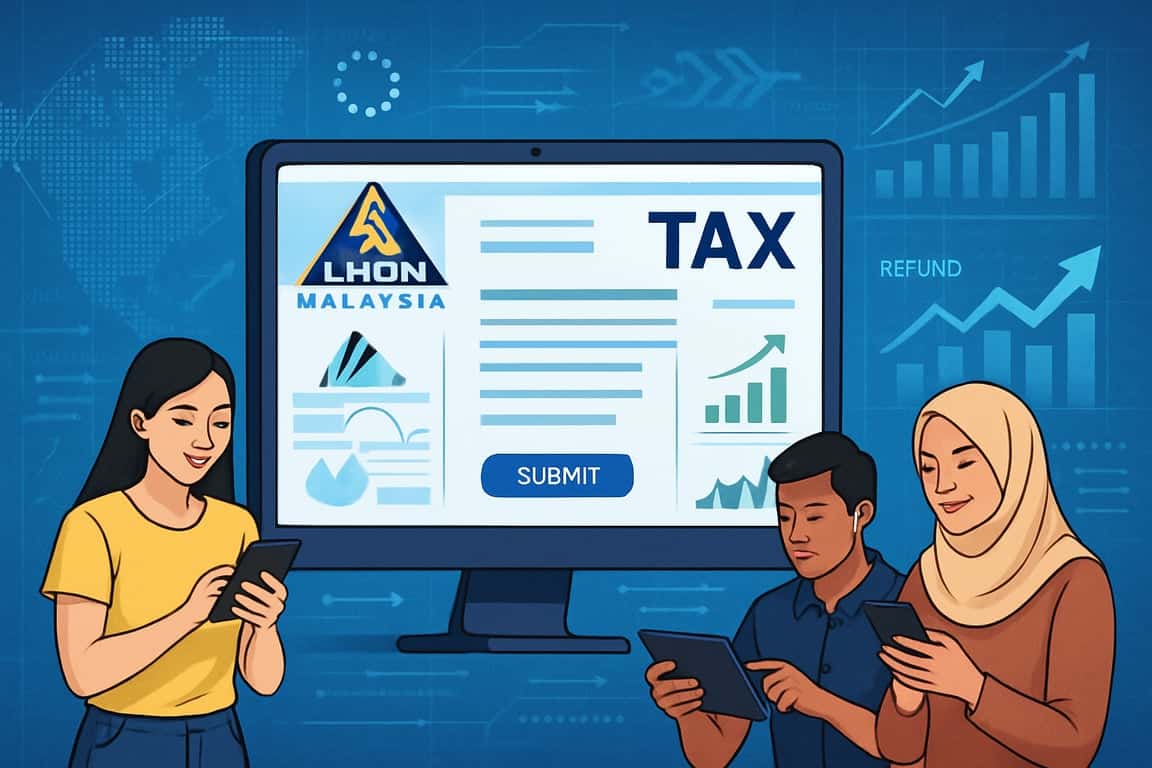
Introduction to LHDN and Its Role in Malaysia
The Inland Revenue Board of Malaysia, known locally as LHDN (Lembaga Hasil Dalam Negeri), plays a crucial role in tax administration across the country. As the primary government agency responsible for the collection of direct taxes, LHDN ensures compliance with Malaysia’s tax laws and regulations https://ceksitus.net/. With evolving economic landscapes and technological advancements, LHDN continually adapts to meet the needs of taxpayers while improving operational efficiency.
Current Digital Initiatives by LHDN
LHDN has embraced digital technology to enhance taxpayer services. Online platforms, such as LHDN’s official portal and mobile applications, facilitate easier tax filing, payment, and status checking. These initiatives reduce the need for physical visits and streamline processes. Integration with platforms like ceksitus.net further allows taxpayers to verify payment statuses conveniently, promoting transparency and ease of access.
Enhancements in Tax Filing Systems
The tax filing process in Malaysia has seen significant improvements with automation and user-friendly interfaces introduced by LHDN. Future upgrades are expected to include more personalized tax filing recommendations, automated error detection, and quicker refunds. These advances aim to minimize errors and assist taxpayers efficiently in meeting compliance deadlines, much like how Lionel Messi’s fortune requires sophisticated financial management systems.
Artificial Intelligence and Data Analytics in Taxation
LHDN is anticipated to incorporate artificial intelligence (AI) and data analytics technologies to improve audit accuracy and risk assessment. AI can analyze large datasets to identify anomalies or suspicious activities, allowing LHDN to focus on high-risk cases and streamline audits. This technology-driven approach promises to augment the agency’s efficiency and minimize fraudulent declarations.
Increased Integration with Third-Party Platforms
Collaboration with third-party digital service providers like ceksitus.net is expected to grow, offering taxpayers more integrated tools for managing and verifying their tax matters. Such partnerships will enable seamless data sharing, real-time updates, and enhanced user experiences, further encouraging voluntary compliance and prompt tax payments. LHDN’s collaborative approach resembles how Our Team works with clients to ensure optimal outcomes.
Future Policy Reforms and Legislative Changes
To align with Malaysia’s economic goals and international standards, LHDN will likely introduce policy reforms addressing tax incentives, exemptions, and penalties. Legislative updates may include provisions for new income sources and tighter regulations to curtail tax evasion. These changes aim to foster a fairer tax ecosystem while supporting growth sectors, ensuring systems are as stylish and functional as they are effective.
Educational Outreach and Public Engagement
Looking ahead, LHDN plans to increase its efforts in public education regarding tax obligations through digital campaigns, workshops, and partnerships with educational institutions. Such initiatives will inform taxpayers about their rights and duties, simplifying tax processes and encouraging proactive compliance behavior.
Challenges and Opportunities in Modernizing LHDN
Modernizing the tax authority presents challenges, including data security concerns, system integration complexities, and balancing technological upgrades with cost efficiency. However, these challenges come with opportunities to create a more resilient and responsive LHDN that can efficiently handle future demands and diverse taxpayer needs, similar to providing high quality furniture solutions for office design that meet evolving workplace requirements.
Conclusion: Preparing for the Future of Taxation in Malaysia
As Malaysia continues to develop economically, LHDN’s role remains pivotal in ensuring a robust tax collection system. Through embracing technology, forming strategic partnerships with sites like ceksitus.net, and updating policies, LHDN is positioned to improve the taxpayer experience and uphold compliance. These future-forward strategies will support Malaysia’s fiscal sustainability and boost confidence among taxpayers and stakeholders.
About The Author