
Slip disc, also known as a herniated or bulging disc, can cause debilitating pain and discomfort. Recognizing the signs and symptoms early is crucial for timely intervention and management private rehabilitation center.
From sudden back pain to radiating discomfort down the leg, understanding these indicators is essential for maintaining optimal musculoskeletal health.
In this article, we explore the key signs and symptoms of slip disc that you should be aware of to ensure prompt attention and effective treatment.
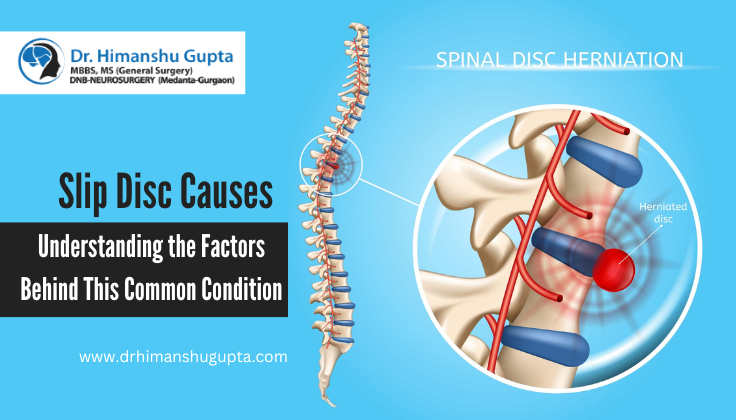
Sudden and Severe Back Pain
Experiencing sudden and severe back pain can be a key indicator of a potential slip disc condition. This sharp and intense discomfort often catches individuals off guard, prompting them to seek immediate relief.
The onset of such pain may occur after lifting heavy objects, making sudden movements, or even without any apparent cause https://rehabbeephysio.com/. It is crucial to pay attention to any accompanying symptoms like numbness, tingling sensations, or weakness in the limbs, as these could further indicate a slip disc issue.
Seeking prompt medical attention and diagnosis is essential to prevent further complications and to explore appropriate treatment options. Understanding the significance of sudden and severe back pain as a warning sign for a possible slip disc can empower individuals to take proactive steps towards their spinal health.
Radiating Pain Down the Leg
Radiating leg pain, known as sciatica, is a common symptom associated with a slip disc condition. This type of pain typically originates in the lower back or buttock area and then travels down the back of the leg.
Individuals experiencing sciatica may feel a sharp, shooting pain, tingling, or numbness that can extend all the way to the foot. The pain intensity can vary from mild discomfort to excruciating agony, often worsening with prolonged sitting or standing.
It is crucial not to ignore this symptom, as untreated sciatica can lead to further complications. Seeking medical advice promptly is recommended to determine the underlying cause and receive appropriate treatment to alleviate the radiating leg pain effectively.
Numbness or Tingling in Extremities
Individuals with slip disc may also experience numbness or tingling in their extremities, which can be a sign of nerve compression caused by the disc displacement. This sensation is often described as a pins-and-needles feeling or a loss of sensation in the arms, hands, legs, or feet.
Numbness or tingling in the extremities can vary in intensity and may come and go, depending on the position of the body or the activities being performed. It is essential to pay attention to these symptoms as they can indicate nerve damage or irritation due to the pressure exerted by the slipped disc.
Seeking medical evaluation and treatment is crucial to prevent further complications and alleviate discomfort.
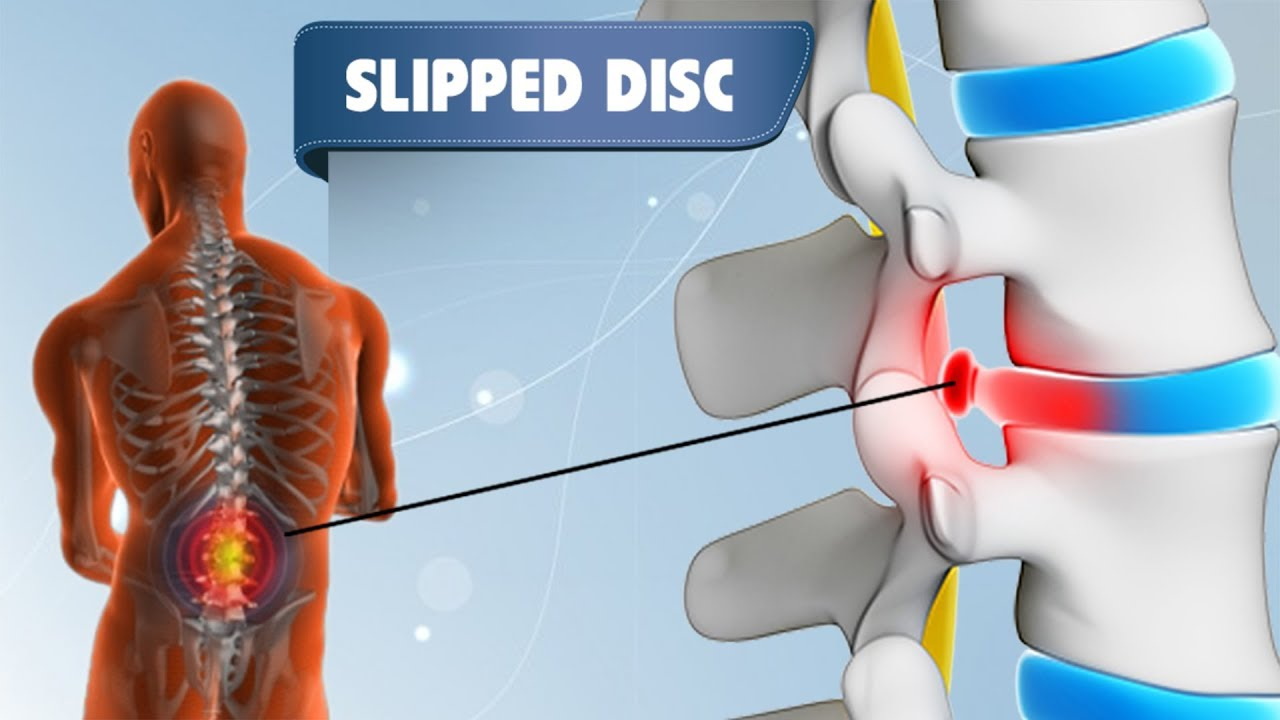
Muscle Weakness or Spasms
Muscle weakness or spasms associated with slip disc can significantly impact an individual’s mobility and daily activities. When a slip disc compresses nerves in the spine, it can lead to muscle weakness in the affected area. This weakness may manifest as difficulty in lifting objects, walking, or performing routine tasks.
Additionally, muscle spasms can occur as the body tries to protect the injured area. These spasms can be painful and limit movement even further. It is essential to seek medical attention if you experience persistent muscle weakness or spasms, as they could indicate a more severe underlying issue such as nerve damage.
Proper diagnosis and treatment are crucial in managing slip disc-related muscle symptoms and improving overall quality of life.
Difficulty Walking or Standing
The onset of slip disc can result in a noticeable difficulty in walking or standing, impacting an individual’s daily routine and mobility. This difficulty arises due to the compression of nerves or spinal cord caused by the slipped disc, leading to pain, numbness, or weakness in the legs. Individuals may experience unsteadiness while walking, reduced range of motion, or even a complete inability to stand upright.
This symptom can significantly limit freedom of movement and independence, affecting various aspects of daily life such as work, social activities, and recreational pursuits. It is crucial to seek medical attention promptly if experiencing difficulty walking or standing, as early diagnosis and treatment can help alleviate symptoms and prevent further complications.
Conclusion
In conclusion, recognizing the signs and symptoms of slip disc is crucial for early diagnosis and treatment. Common signs include sudden and severe back pain, radiating pain down the leg, numbness or tingling in extremities, muscle weakness or spasms, and difficulty walking or standing. Seeking medical attention promptly can help prevent further complications and improve outcomes for individuals with slip disc.
Having this awareness can lead to timely intervention, which is essential for managing slip disc effectively.
About The Author

